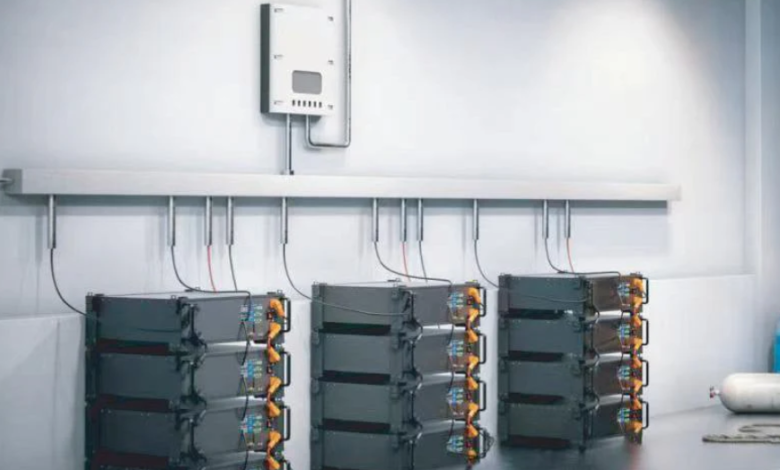
In today’s technology-driven world, consistent and reliable electricity is essential for homes, businesses, data centers, and industrial operations. Even a brief power interruption can result in data loss, equipment damage, financial losses, and operational downtime. This is where an uninteruptable power supply plays a critical role.
An uninteruptable power supply is designed to provide immediate backup power when the main electrical source fails. It ensures continuity, stability, and protection for sensitive electronic devices. This article explores everything you need to know about uninteruptable power supply systems, including how they work, their advantages, types, applications, maintenance, and future trends.
What Is an Uninteruptable Power Supply?
An uninteruptable power supply (UPS) is an electrical device that supplies emergency power to connected equipment when the primary power source fails or fluctuates outside safe limits. Unlike generators, which take time to start, a UPS provides instant power, preventing even a split-second interruption.


The system typically consists of:
- Batteries or energy storage units
- Power inverter
- Rectifier and charger
- Control circuitry
Together, these components ensure seamless power delivery and voltage regulation.
See also: Crafting Resilient Residential Spaces: Principles of Modern Home Construction
How an Uninteruptable Power Supply Works
The working principle of an uninteruptable power supply is based on continuous monitoring of incoming power. When utility power is stable, the UPS conditions the electricity and charges its batteries. When a failure occurs, the UPS instantly switches to battery power.
Step-by-Step Operation:
- Normal Mode: Utility power flows through the UPS to connected devices
- Charging Mode: Batteries are charged continuously
- Power Failure Detection: UPS senses voltage drop or outage
- Instant Switching: Battery and inverter supply power instantly
- Safe Shutdown or Continuity: Devices continue running without interruption
This entire process happens in milliseconds, ensuring uninterrupted performance.
Key Benefits of Using an Uninteruptable Power Supply
1. Continuous Power Availability
The primary benefit of an uninteruptable power supply is its ability to provide immediate backup power, preventing downtime during outages.
2. Protection Against Power Fluctuations
Voltage spikes, surges, and sags can damage electronic equipment. A UPS stabilizes power and protects devices.
3. Data Loss Prevention
Sudden shutdowns can corrupt data. A UPS allows time to save work and shut down systems safely.
4. Equipment Longevity
By delivering clean and regulated power, an uninteruptable power supply reduces wear and tear on electronic components.
5. Improved Productivity
Businesses can continue operations during brief outages, reducing financial losses and disruptions.
Types of Uninteruptable Power Supply Systems
Different environments require different UPS solutions. Below are the main types:
Offline (Standby) UPS
This is the most basic type of uninteruptable power supply. It remains inactive until a power failure occurs.
Best for:
- Home computers
- Small office equipment
Advantages:
- Affordable
- Energy efficient
Limitations:
- Short switching delay
- Limited power conditioning
Line-Interactive UPS
This type offers improved voltage regulation and better protection against minor power fluctuations.
Best for:
- Small businesses
- Network devices
Advantages:
- Faster response time
- Automatic voltage regulation
Limitations:
- Not ideal for highly sensitive equipment
Online (Double Conversion) UPS
An online uninteruptable power supply continuously converts incoming AC power to DC and back to AC, providing zero transfer time.
Best for:
- Data centers
- Medical equipment
- Industrial systems
Advantages:
- Zero interruption
- Highest level of power protection
Limitations:
- Higher cost
- Increased energy consumption
Applications of Uninteruptable Power Supply
1. Home Use
UPS systems protect personal computers, routers, and smart home devices from sudden power loss.
2. Business and Offices
An uninteruptable power supply ensures uninterrupted workflow, protects servers, and maintains network connectivity.
3. Data Centers
Data centers rely heavily on UPS systems to prevent data corruption, service outages, and hardware failures.
4. Healthcare Facilities
Hospitals use uninteruptable power supply systems to keep life-saving equipment operational during outages.
5. Industrial and Manufacturing Units
Factories depend on UPS systems to prevent machinery damage and production delays.
Choosing the Right Uninteruptable Power Supply
Selecting the correct uninteruptable power supply depends on several factors:
Load Capacity
Calculate the total wattage of devices that need backup power.
Runtime Requirements
Determine how long equipment must operate during an outage.
Power Quality
Sensitive electronics require higher-grade UPS systems with voltage regulation.
Scalability
Businesses should consider systems that allow battery expansion.
Environment
Industrial settings may need rugged and temperature-resistant UPS solutions.
Maintenance and Best Practices
Proper maintenance ensures optimal performance and long lifespan of an uninteruptable power supply.
Regular Battery Checks
Batteries degrade over time and should be tested periodically.
Firmware Updates
Keeping UPS software updated improves efficiency and reliability.
Load Testing
Routine testing ensures the UPS can handle the required load during emergencies.
Proper Ventilation
Adequate airflow prevents overheating and component failure.
Common Myths About Uninteruptable Power Supply
Myth 1: UPS Is Only for Power Outages
In reality, a UPS also protects against voltage fluctuations and electrical noise.
Myth 2: All UPS Systems Are the Same
Different types offer varying levels of protection and performance.
Myth 3: UPS Eliminates the Need for Generators
UPS systems provide short-term power, while generators handle long-duration outages.
Future Trends in Uninteruptable Power Supply Technology
Modern uninteruptable power supply systems are evolving with technological advancements:
- Lithium-ion batteries for longer life and faster charging
- Smart monitoring and remote management
- Energy-efficient designs to reduce power loss
- Integration with renewable energy systems
These innovations are making UPS systems more reliable, compact, and sustainable.
Frequently Asked Questions (FAQs)
What is the main purpose of an uninteruptable power supply?
The main purpose is to provide instant backup power and protect equipment from electrical disturbances.
How long can an uninteruptable power supply run?
Runtime depends on battery capacity and load. It can range from a few minutes to several hours.
Is an uninteruptable power supply necessary for home use?
Yes, especially for protecting computers, internet routers, and smart devices.
How often should UPS batteries be replaced?
Most batteries last between 3 to 5 years, depending on usage and environment.
Can an uninteruptable power supply save electricity?
While it does not reduce electricity consumption, it improves power efficiency and prevents costly damage.
Conclusion
An uninteruptable power supply is no longer a luxury but a necessity in a world that relies heavily on uninterrupted electricity. From protecting sensitive electronics to ensuring business continuity and safeguarding critical operations, UPS systems play a vital role across various sectors.
By understanding the types, benefits, applications, and maintenance requirements of an uninteruptable power supply, users can make informed decisions that enhance reliability and efficiency. Investing in the right UPS solution ensures peace of mind, operational stability, and long-term protection against unpredictable power disruptions.