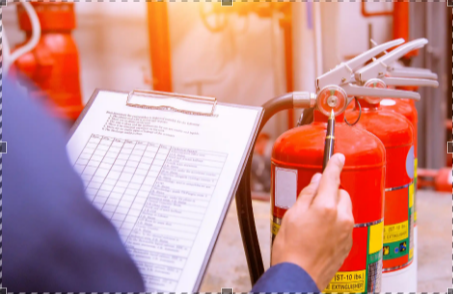
Fire safety is a critical component of workplace, residential, and public safety. A fire can cause devastating damage to property, disrupt operations, and, most importantly, threaten lives. To prevent such disasters, a systematic approach to fire risk assessment is essential. By identifying potential hazards, evaluating risks, and implementing control measures, organizations can minimize fire incidents and ensure safety for occupants and property.
Understanding Fire Risk Assessment
Fire risk assessment is a proactive process that identifies potential fire hazards and evaluates the risk they pose. It involves examining the environment, processes, and activities that may contribute to fire incidents. The purpose of a fire risk assessment is to:
- Identify sources of ignition, fuel, and oxygen that could cause a fire.
- Assess the likelihood of a fire occurring and the potential consequences.
- Implement control measures to reduce or eliminate risks.
- Ensure compliance with fire safety laws and regulations.
A systematic approach ensures that every factor contributing to fire hazards is carefully analyzed, leaving no room for oversight.

Steps in a Systematic Fire Risk Assessment
A structured fire risk assessment follows several clear steps:
1. Identify Fire Hazards
The first step is to identify potential sources of fire. Common hazards include:
- Electrical faults, such as overloaded circuits or faulty wiring.
- Flammable liquids, gases, or chemicals stored improperly.
- Heating equipment, open flames, or machinery that generates sparks.
- Waste accumulation, such as paper, cloth, or wood that can easily ignite.
2. Identify People at Risk
After identifying hazards, assess who may be at risk. This includes employees, visitors, contractors, and vulnerable individuals such as children, elderly people, or people with disabilities. Understanding the population at risk helps in designing effective safety measures.
3. Evaluate Fire Risks
Evaluating fire risks involves analyzing the likelihood of a fire starting and the potential impact if it does. Factors to consider include:
- Frequency of activities that may trigger a fire.
- Volume of combustible materials present.
- Accessibility of escape routes and fire exits.
- Availability and effectiveness of fire suppression systems.
4. Implement Control Measures
Once risks are identified, implement control measures to reduce the likelihood of fire and minimize damage. Typical measures include:
- Installing smoke detectors, fire alarms, and sprinkler systems.
- Regular maintenance of electrical systems and machinery.
- Safe storage and handling of flammable materials.
- Establishing clear evacuation plans and fire drills.
5. Record Findings and Actions
Documenting all findings, risk evaluations, and control measures is crucial. A proper record serves as proof of compliance and provides guidance for future safety planning.
6. Review and Update Regularly
Fire risk assessment is not a one-time task. Regular review ensures that new hazards are identified, and existing control measures remain effective. Changes in building structure, occupancy, or operations may require updates to the risk assessment.
Read Also: Residential Backyard Putting Green: Transform Your Home into a Golfer’s Paradise
Benefits of a Systematic Approach
Implementing a systematic approach to fire risk assessment brings multiple benefits:
- Enhanced Safety: Reduces the likelihood of fire incidents and ensures safe evacuation.
- Legal Compliance: Helps meet fire safety regulations and standards.
- Property Protection: Minimizes damage to buildings, equipment, and valuable assets.
- Cost Savings: Prevents financial losses associated with fire damage and business interruptions.
- Employee Confidence: Employees feel safer and more secure in their environment.
Common Fire Risk Assessment Mistakes to Avoid
Even with a systematic approach, mistakes can compromise safety. Common errors include:
- Ignoring small or hidden hazards.
- Failing to involve staff in identifying risks.
- Not updating the assessment when changes occur.
- Relying solely on fire alarms without preventive measures.
Conclusion
A systematic approach to fire risk assessment is an essential part of fire safety planning. By identifying hazards, assessing risks, implementing control measures, and regularly reviewing procedures, organizations and individuals can significantly reduce the risk of fire incidents. Prioritizing fire safety protects lives, preserves property, and ensures regulatory compliance, making it a vital practice for any environment.
Frequently Asked Questions (FAQs)
Q1: How often should a fire risk assessment be conducted?
A fire risk assessment should be reviewed at least annually or whenever there is a significant change in the building, processes, or occupancy.
Q2: Who should carry out a fire risk assessment?
It can be conducted by a trained fire safety officer, a competent professional, or a qualified team familiar with fire safety standards.
Q3: Are fire risk assessments legally required?
Yes, most countries have fire safety regulations requiring organizations to conduct and document fire risk assessments.
Q4: What is the difference between a fire hazard and a fire risk?
A fire hazard is anything with the potential to cause a fire, while fire risk evaluates the likelihood and potential impact of that fire occurring.
Q5: Can fire risk assessment prevent all fires?
While it cannot prevent every fire, a systematic assessment significantly reduces the likelihood of incidents and prepares people to respond effectively if a fire occurs.