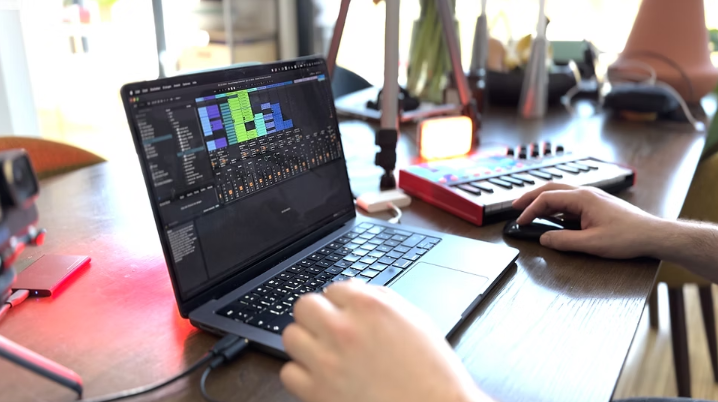
For a long time, innovation in personal audio followed a predictable path. Better materials, improved drivers, and incremental design changes defined progress. While these improvements mattered, they focused almost entirely on hardware. Meanwhile, the way people interacted with sound continued to evolve far more rapidly than the devices delivering it.
Today, listening is no longer a single, consistent activity. It changes throughout the day depending on environment, task, and emotional state. Yet traditional audio products were never designed with this variability in mind. They delivered one sound profile, regardless of context. That approach is now beginning to change as software takes a more central role in audio design.
In modern routines, Headphones function less like static equipment and more like adaptive tools. They help manage concentration during work, reduce overstimulation in busy spaces, and provide energy or calm when needed. These roles are shaped by intent rather than specifications. People already treat sound as something flexible and situational, even if the technology itself has lagged behind.

This growing gap between behavior and design has pushed audio toward a software-driven future.
When software becomes part of the core listening experience, sound is no longer locked in at the moment of purchase. Instead, it can evolve. Updates can refine tuning, improve balance, and adjust how sound behaves in different scenarios. Rather than aging over time, audio performance has the potential to improve.
This shift reflects a broader transformation happening across technology. Devices are increasingly judged not by what they offer on day one, but by how well they adapt. Software has already reshaped phones, wearables, and vehicles. Audio is now following that same trajectory, though in a quieter, more subtle way.
One of the clearest benefits of this transition is contextual sound. Listening during focused work demands clarity and precision, while relaxed moments benefit from warmth and depth. Physical activity requires energy and presence. Software allows these differences to be addressed without forcing users to manually intervene. Sound adapts quietly in the background, responding to intent rather than commands.
This adaptability also enhances the emotional connection between listeners and music. Music is created with intention, shaped by emotion, pacing, and nuance. When sound delivery supports those qualities instead of flattening them, the listening experience becomes more immersive. It feels closer to what the artist envisioned, rather than a generic playback.
As software-centric audio gains traction, brands like Ronin are treating headphones less as finished products and more as evolving systems. Instead of delivering a fixed experience, they allow sound profiles to improve and listening modes to expand over time. The product continues to develop alongside the user, rather than remaining static.
This evolution extends beyond sound tuning. Modern listening happens across multiple devices throughout the day. Seamless transitions between phone calls, music, and videos reduce friction and maintain immersion. Software plays a critical role in ensuring these transitions feel natural rather than disruptive.
Comfort, too, is influenced by this shift. Beyond physical design, reliability and consistency contribute to psychological ease. When headphones behave predictably and feel stable, users can stay focused on what they are listening to rather than the device itself. This sense of reassurance is an often overlooked but essential part of long-term listening comfort.
See also: Cyrillic Fonts: Tradition, Technology, and Typography
What makes the move toward software-driven audio notable is its subtlety. There is no need for users to relearn habits or adopt complex systems. The experience simply feels more aligned with real life. Sound becomes responsive rather than rigid.
Looking ahead, the future of personal audio will likely be defined by adaptability rather than raw output. Hardware will remain important, but software will increasingly shape how sound is experienced over time. Headphones will evolve from fixed tools into responsive companions, designed to move with the listener rather than remain unchanged.