Energy consumption in HVAC systems continues to rise as commercial and industrial buildings demand higher levels of comfort and ventilation. Fresh air is essential for indoor air quality, but conditioning large volumes of outdoor air places a heavy load on heating and cooling equipment. This is where energy recovery solutions play a crucial role.
An energy recovery wheel helps reduce wasted energy by capturing heat and moisture from exhaust air before it leaves the building. Instead of releasing this energy outdoors, the system transfers it to incoming fresh air. This process improves HVAC efficiency while maintaining consistent indoor comfort levels.
What Is an Energy Recovery Wheel?
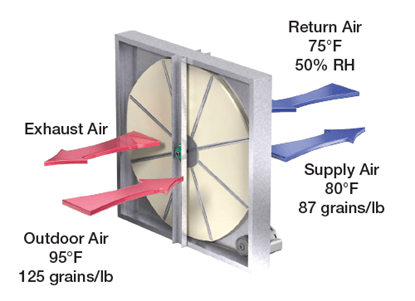
An energy recovery wheel is a rotating heat exchanger installed within an HVAC air handling or ventilation system. It allows energy transfer between two separate air streams without mixing them. The wheel rotates continuously between exhaust air and supply air, enabling efficient heat and moisture recovery.


This technology is widely used in commercial and industrial HVAC applications where ventilation rates are high. By recovering energy that would otherwise be lost, the system reduces energy demand on chillers, boilers, and air handling units. Over time, this leads to significant operational savings and improved system performance.
How Energy Recovery Wheels Work?
Heat and Moisture Transfer Process
Energy recovery wheels operate using a simple but effective rotational process. As the wheel turns, it absorbs energy from the outgoing exhaust air and releases it into the incoming outdoor air. This reduces the temperature and humidity difference between indoor and outdoor air.
The process involves:
- Exhaust air passing through one side of the wheel
- Heat being absorbed by the wheel media
- Moisture captured by desiccant coatings
- Rotation of the wheel into the fresh air stream
- Transfer of stored energy to incoming air
This continuous cycle allows the HVAC system to operate more efficiently throughout the year.
Components of an Energy Recovery Wheel
An energy recovery wheel is made up of several engineered components that work together to deliver consistent performance. Each part is designed to support efficient heat exchange and durability in demanding HVAC environments.
Key components include:
- Heat transfer media with high surface area
- Desiccant coating for moisture recovery
- Drive motor and speed controller
- Air seals to prevent leakage
- Structural housing for mechanical protection
Together, these components ensure reliable energy recovery and long service life.
Types of Energy Recovery Wheels Used in HVAC Systems
Different HVAC applications require different types of energy recovery wheels based on climate and performance needs. Selecting the correct wheel type ensures maximum efficiency and comfort.
Common types include:
- Sensible heat recovery wheels for temperature transfer only
- Total energy recovery wheels for heat and moisture exchange
- Enthalpy wheels for advanced humidity control
- High temperature wheels for industrial exhaust applications
Each type serves a specific purpose depending on environmental and operational requirements.
Benefits of Using Energy Recovery Wheels in HVAC Systems
Energy recovery wheels provide multiple performance and financial benefits for building owners and facility managers. Their ability to recover energy directly impacts HVAC efficiency and operating costs.
Major benefits include:
- Reduced heating and cooling energy consumption
- Lower peak load demand on HVAC equipment
- Improved indoor air quality through higher ventilation rates
- Better humidity control and occupant comfort
- Extended lifespan of HVAC components
These advantages make energy recovery wheels an essential part of modern HVAC design.
See also: Cyrillic Fonts: Tradition, Technology, and Typography
Energy Savings and Cost Efficiency Explained
One of the most important advantages of energy recovery wheels is their contribution to long term energy savings. By preconditioning incoming air, HVAC systems require less energy to maintain indoor conditions. This leads to consistent reductions in electricity and fuel usage.
In large commercial and industrial facilities, these savings accumulate quickly. Reduced energy demand also lowers operational costs and improves return on investment. Over time, energy recovery wheels help stabilize energy expenses and improve budget predictability.
Applications of Energy Recovery Wheels
Commercial Building Applications
Energy recovery wheels are commonly installed in commercial buildings with high occupancy and ventilation needs. These environments benefit greatly from energy efficient air handling.
Typical commercial applications include:
- Office buildings
- Shopping malls
- Hotels and resorts
- Educational institutions
- Healthcare facilities
These buildings require continuous fresh air while maintaining energy efficiency.
Industrial Applications
Industrial environments often demand precise control over air quality and temperature. Energy recovery wheels support these requirements while reducing energy consumption.
Industrial applications include:
- Manufacturing facilities
- Warehouses and logistics centers
- Pharmaceutical production units
- Cleanrooms and laboratories
- Food processing plants
In these settings, energy recovery improves process stability and compliance.
Role of Energy Recovery Wheels in Sustainable Building Design
Sustainable building design focuses on reducing environmental impact while improving operational efficiency. Energy recovery wheels directly support this goal by minimizing wasted energy. They reduce greenhouse gas emissions associated with heating and cooling.
By improving HVAC efficiency, these systems help buildings meet energy performance standards and sustainability benchmarks. They also contribute to responsible resource usage and long term environmental stewardship.
Factors to Consider When Selecting an Energy Recovery Wheel
Selecting the right energy recovery wheel requires careful evaluation of system requirements and operating conditions. Proper selection ensures optimal performance and reliability.
Key factors to consider include:
- Local climate and seasonal variations
- Required airflow and ventilation rates
- Moisture recovery needs
- Space availability within HVAC units
- Maintenance and accessibility considerations
A well matched system delivers consistent efficiency and durability.
Energy Recovery Wheels vs Other Energy Recovery Technologies
Energy recovery wheels offer advantages over other energy recovery solutions due to their continuous operation and ability to transfer both heat and moisture. Plate heat exchangers and run around coils have limitations in efficiency and flexibility.
Wheels are compact, effective, and suitable for a wide range of HVAC applications. Their versatility makes them a preferred choice for modern ventilation systems.
Maintenance and Performance Optimization
Routine maintenance ensures energy recovery wheels operate at peak efficiency. Regular inspections help identify dust buildup or wear before it impacts performance. Cleaning the wheel media and checking seals improves airflow and energy transfer.
Performance monitoring also allows facility managers to maintain efficiency levels over time. Proper maintenance extends equipment life and protects energy savings.
Future of Energy Recovery Wheels in HVAC Systems
As energy efficiency regulations become more stringent, energy recovery wheels will continue to gain importance. Advancements in materials, coatings, and control systems are improving performance and reliability.
Increased awareness of indoor air quality and sustainability is driving wider adoption across industries. Energy recovery wheels will remain a cornerstone of efficient HVAC system design.
Conclusion and Contact CTA
Energy recovery wheels are a proven solution for improving HVAC efficiency, reducing energy costs, and enhancing indoor air quality. Their ability to recover heat and moisture makes them ideal for commercial and industrial applications where ventilation demands are high. By integrating energy recovery wheels, buildings can achieve long term energy savings and sustainable performance.
To explore advanced energy recovery solutions and expert HVAC technologies, connect with Desiccant Rotors International and learn how their innovative systems can support your energy efficiency goals.