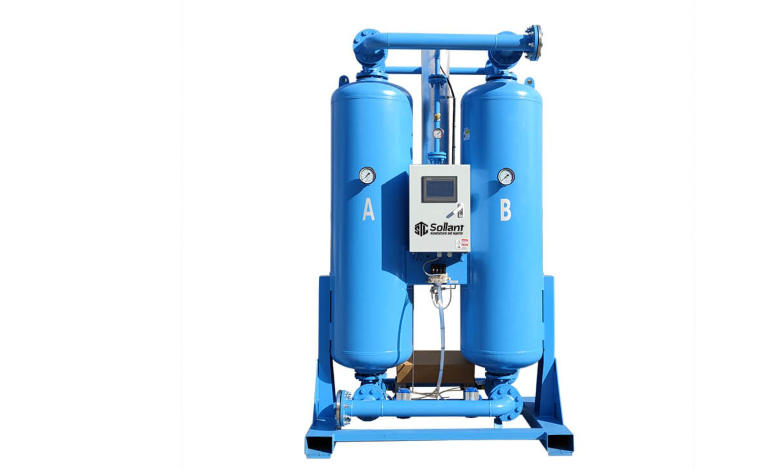
Compressed air is one of the most widely used utilities in Indian industries. It powers machinery, drives pneumatic tools, and supports critical manufacturing processes. However, moisture in compressed air can cause corrosion, rust, and contamination, leading to frequent equipment failures and costly maintenance. This is where compressed air dryers become essential. These systems remove moisture and ensure that air remains clean and dry, protecting your equipment and improving operational efficiency.
In this article, we will explore the types of compressed air dryers, their industrial applications in India, and the benefits they offer. Understanding the right dryer for your needs can help reduce downtime, enhance productivity, and extend equipment life.
What Are Compressed Air Dryers?
A compressed air dryer is a device that removes moisture from compressed air before it reaches machinery or production systems. Moisture can accumulate due to humidity and temperature changes, and if not removed, it can damage equipment, reduce efficiency, and compromise product quality.


Industrial air dryers are critical in Indian manufacturing because high humidity levels can accelerate corrosion and reduce the lifespan of equipment. Using a dryer ensures that air systems remain dry and clean, which prevents rust, protects valves and pumps, and maintains consistent production quality.
Some of the main benefits of compressed air dryers include:
- Prevention of rust and corrosion in machinery
- Reduction in maintenance costs
- Protection of sensitive industrial processes
Types of Compressed Air Dryers
Desiccant Air Dryers
Desiccant dryers use materials such as silica gel or activated alumina to absorb moisture from compressed air. These dryers are suitable for industries that require extremely low dew points, such as pharmaceuticals, electronics, and precision engineering.
They are particularly useful in situations where even minimal moisture can compromise product quality. Desiccant dryers can maintain very low dew points and are effective in high-pressure or low-temperature applications. These systems do require periodic regeneration to maintain performance, but their reliability in critical applications makes them a preferred choice.
Refrigeration Air Dryers
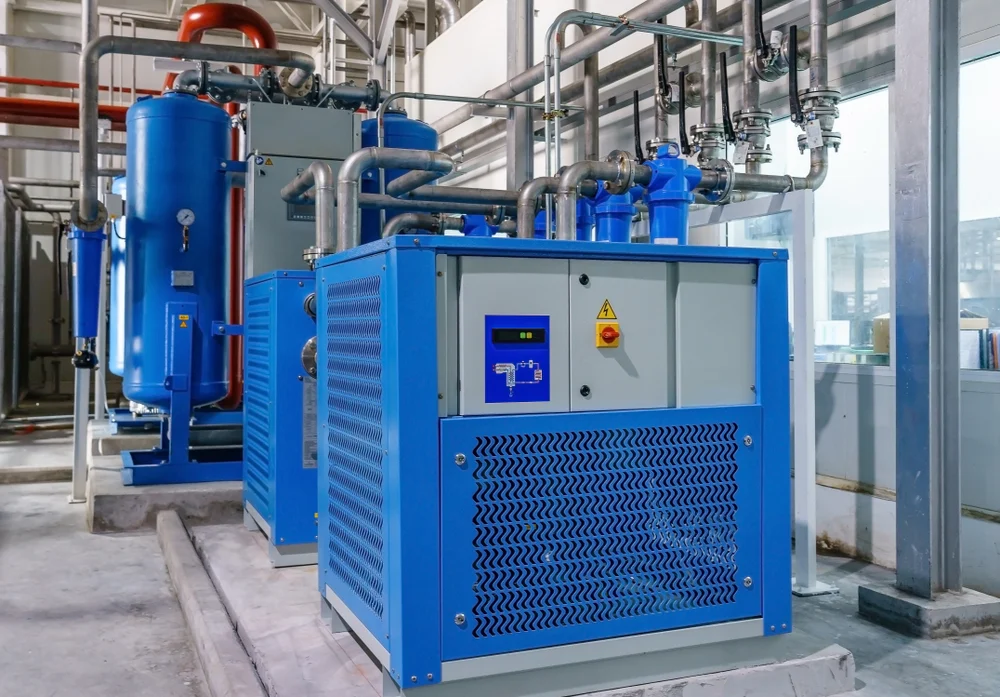
Refrigeration dryers remove moisture by cooling the compressed air, which causes water to condense and separate from the airflow. These dryers are widely used in general industrial settings due to their cost-effectiveness, reliability, and ease of maintenance.
Refrigeration dryers are particularly suitable for industries such as food processing, automotive, and general manufacturing. They handle large air volumes efficiently and provide consistent performance without complex maintenance routines. Their affordability and effectiveness make them ideal for many Indian industrial operations.
Other Types of Air Dryers
Beyond desiccant and refrigeration dryers, there are engineered and specialty air dryers designed for specific industrial applications. These include high-pressure dryers, medical-grade air dryers, and laboratory-specific systems. Choosing the right type depends on factors such as air volume, required dew point, and the specific industrial application.
Applications of Compressed Air Dryers in India
Compressed air dryers are used across multiple industries in India, ensuring that machinery and production processes remain efficient and safe.
In power plants, dryers prevent moisture from causing corrosion in turbines and pipelines. In food and beverage manufacturing, they maintain hygiene standards and prevent contamination. Pharmaceutical companies rely on air dryers to meet strict quality control standards during production and packaging. Similarly, the automobile and engineering sectors use compressed air dryers to protect pneumatic tools and machinery from rust and corrosion.
These dryers are particularly important in India due to high humidity and temperature variations, which can accelerate equipment wear and reduce operational efficiency.
Key benefits in industrial applications:
- Extends equipment lifespan
- Maintains consistent product quality
- Reduces unplanned downtime
- Ensures compliance with industrial standards
Benefits of Using Compressed Air Dryers
Investing in a compressed air dryer offers both operational and financial benefits. Dryers protect expensive machinery from rust and corrosion, reducing repair and maintenance costs. They also ensure that pneumatic tools and production systems operate efficiently, which lowers energy consumption and increases productivity.
By maintaining clean, dry air, these systems prevent production delays caused by equipment failure. They also contribute to workplace safety by minimizing moisture-related hazards. For Indian industries, where environmental conditions can be challenging, dryers are a practical solution to protect assets, improve efficiency, and maintain high-quality standards.
See also: Cyrillic Fonts: Tradition, Technology, and Typography
How to Choose the Right Compressed Air Dryer
Selecting the right dryer is crucial for long-term performance. Industries should consider:
- Air volume and pressure requirements to match system capacity
- Dew point needs based on the sensitivity of processes
- Space and maintenance capabilities for installation and servicing
- Budget and total lifecycle cost, including energy consumption and maintenance
By carefully evaluating these factors, companies can ensure reliable operation, minimal downtime, and cost-effective performance.
Maintenance Tips for Compressed Air Dryers
Regular maintenance is essential to keep compressed air dryers functioning efficiently. Some important practices include:
- Inspect filters and valves regularly for wear and clogging
- Schedule regeneration cycles for desiccant dryers
- Clean refrigeration systems and coils to prevent buildup
- Monitor moisture levels and overall performance consistently
Proper maintenance ensures your air system remains efficient, reduces unplanned downtime, and extends equipment lifespan.
FAQs
Q1: Why is moisture in compressed air harmful?
Moisture can cause rust, corrosion, and contamination, leading to equipment damage, reduced efficiency, and compromised product quality.
Q2: What is the difference between desiccant and refrigeration dryers?
Desiccant dryers absorb moisture and provide very low dew points, ideal for critical applications. Refrigeration dryers cool air to condense moisture and are cost-effective for general industrial use.
Q3: How often should a desiccant dryer be regenerated?
Regeneration frequency depends on air volume and usage, typically ranging from daily to weekly. Automated systems can manage this efficiently.
Q4: Can compressed air dryers reduce energy costs?
Yes. Dryers prevent moisture-related inefficiencies, which reduces system strain and energy consumption.
Q5: Are compressed air dryers necessary for all Indian industries?
They are critical for industries using pneumatic tools or sensitive production processes. Small-scale operations may use simpler filtration systems depending on air requirements.
Conclusion
Compressed air dryers are a vital component for Indian industries that rely on clean, dry compressed air. From desiccant dryers for critical applications to refrigeration dryers for general use, these systems protect machinery, improve efficiency, and maintain product quality. Choosing the right dryer, implementing proper maintenance, and understanding industrial applications can significantly reduce downtime and operational costs.
Need the right compressed air dryer for your application? Contact Delair for high-performance compressed air drying solutions and expert support designed for Indian industrial environments.