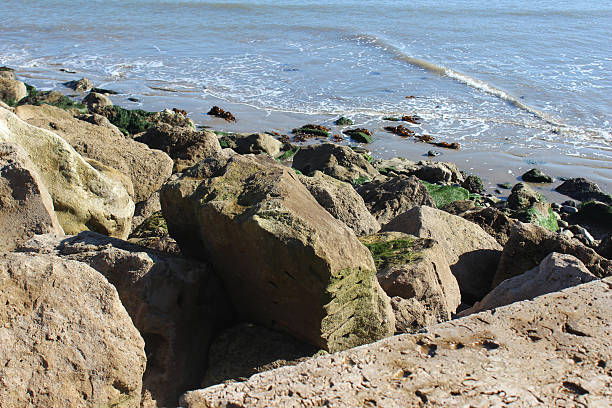
Coastal environments are constantly shaped by waves, tides, storms, and rising sea levels. Over time, these natural forces can cause serious shoreline erosion, threatening waterfront properties, infrastructure, and ecosystems. Rock revetment design plays a critical role in protecting coastlines by providing durable and reliable erosion control solutions.
Well planned rock revetments not only stabilize shorelines but also preserve long term coastal resilience. Understanding how these systems work helps property owners and project planners make informed decisions for sustainable coastal protection.
Choosing the Right Professional for Your Project
The success of a rock revetment project depends heavily on expert planning and execution. Experienced professionals understand permitting requirements, engineering standards, and site specific challenges.


Working with specialists ensures compliance with local regulations and delivers a solution designed for long term performance. Professional guidance reduces risk and improves project outcomes.
If you are considering coastal protection for your property, working with experts in rock revetment design is essential. Learn more about professional shoreline solutions and explore how tailored designs can protect your shoreline effectively.
Understanding Rock Revetment Design
Rock revetment design refers to the strategic placement of large stones or armor rock along shorelines to absorb and deflect wave energy. These structures create a protective barrier between the water and vulnerable land areas.
Unlike vertical seawalls, revetments use a sloped profile that allows waves to dissipate energy naturally. This approach reduces reflection and minimizes damage caused by wave impact.
Proper design considers local environmental conditions, soil stability, wave action, and long term performance to ensure the revetment remains effective for decades.
Why Rock Revetments Are Essential for Coastal Protection
Coastal erosion is a growing concern due to increased storm intensity and sea level rise. Rock revetments provide a flexible and proven solution that adapts to changing conditions.
They protect shorelines from direct wave attack while reducing the risk of land loss and structural damage. In many cases, revetments also support natural sediment movement and ecological balance.
For waterfront properties, investing in professional rock revetment design helps safeguard property value and ensures regulatory compliance in coastal zones.
Key Components of Effective Rock Revetment Design
Successful revetment systems rely on several structural and environmental elements working together.
Armor Stone Selection
The outer layer of large stones is the most visible component. These stones must be properly sized and shaped to withstand wave forces without shifting.
Stone durability and weight are critical factors in preventing displacement during storm events.
Filter Layers and Base Preparation
Beneath the armor stone, filter layers prevent soil erosion while allowing water to drain freely. Proper base preparation ensures long term stability and reduces maintenance requirements.
These layers play a vital role in preserving the integrity of the entire structure.
Engineering Considerations in Rock Revetment Design
Each coastal site presents unique challenges that influence revetment design decisions. Engineers must analyze environmental conditions and project goals before finalizing a solution.
Site Specific Factors
Important considerations include:
- Wave height and frequency
- Tidal range and water depth
- Soil composition and slope stability
Addressing these factors ensures the revetment performs effectively under both normal and extreme conditions.
Environmental Benefits and Considerations
Rock revetments can offer environmental advantages when designed thoughtfully. Unlike rigid structures, they allow for some natural interaction between land and water.
Properly designed revetments can support marine habitats by creating spaces for aquatic organisms. They may also reduce shoreline scouring compared to vertical barriers.
Environmental assessments help balance coastal protection goals with ecological preservation.
See also: Unlocking Business Growth Through Franchising: A Step-by-Step Guide
Common Applications of Rock Revetment Design
Rock revetments are widely used across various coastal and waterfront settings. Their adaptability makes them suitable for both residential and commercial projects.
Typical Use Cases
Common applications include:
- Residential waterfront properties
- Marinas and harbors
- Coastal roadways and infrastructure
In each case, the design is tailored to site conditions and project requirements.
Maintenance and Longevity of Rock Revetments
One of the major advantages of rock revetments is their long service life when properly designed and installed. Routine inspections help identify minor shifts or settlement before they become larger issues.
Maintenance typically involves repositioning stones or adding material after severe weather events. Compared to other shoreline protection methods, maintenance costs are generally lower over time.
High quality materials and expert installation significantly enhance durability and performance.
Rock Revetment Design vs Other Shoreline Protection Methods
Choosing the right coastal protection solution requires understanding how revetments compare to alternatives such as seawalls or bulkheads.
Rock revetments offer flexibility and energy absorption, while vertical structures often reflect wave energy and can accelerate erosion nearby. Revetments also adapt better to gradual environmental changes.
For many coastal projects, rock revetment design provides a balanced approach between structural protection and environmental compatibility.
Conclusion
Rock revetment design is a proven and reliable solution for protecting coastlines from erosion and wave damage. By combining engineering expertise with environmental awareness, revetments offer durable protection that adapts to changing coastal conditions.
From residential waterfronts to large scale infrastructure, well designed rock revetments preserve land, protect investments, and support long term shoreline stability. Choosing the right design and professional support ensures your coastal protection strategy delivers lasting value and peace of mind.